What Cabinet Hinge Adjustment Tools Align Doors? Beginner’s Guide
What cabinet hinge adjustment tools align doors seamlessly? An in-depth guide
Properly aligned cabinet doors not only enhance the aesthetic appeal of your kitchen or furniture but also improve functionality, safety, and durability. When doors are misaligned, it can lead to squeaking, difficulty closing, or even damage over time. Understanding what cabinet hinge adjustment tools align doors effectively is vital for both homeowners and professionals aiming to maintain or restore their cabinetry’s optimal performance.
Why is hinge adjustment important for cabinet doors?
Hinges are the mechanical components that connect cabinet doors to frames or boxes, allowing for smooth operation. Over time, factors like humidity changes, frequent use, or improper installation can cause hinges to shift, resulting in uneven or misaligned doors. Proper hinge adjustment ensures:
Perfect door alignment for visual harmony
Preventing gaps or overlaps between doors and frames
Reducing strain on hinges and prolonging their lifespan
Maintaining overall cabinet integrity and appearance
What are the different types of cabinet hinge adjustment tools?
What are the basic tools needed for hinge adjustment?
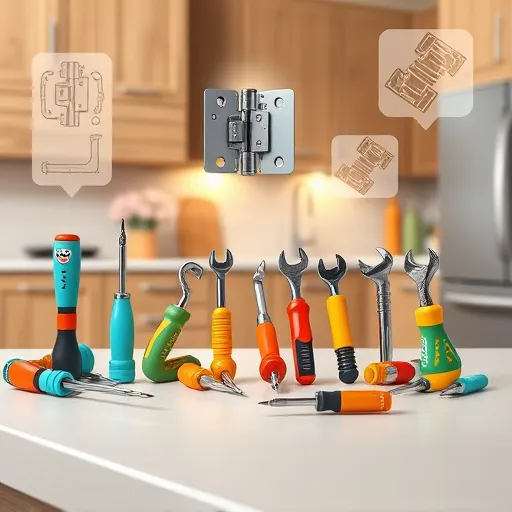
Standard tools used for hinge adjustment include:
Screwdrivers: Phillips and flat-head screwdrivers are essential for turning hinge screws. Many hinges have adjustment screws that require specific screwdriver types for proper adjustments.
Allen wrenches (hex keys): Some modern cabinet hinges feature Allen screw adjustments for finer control.
Adjustment pry tools: Used carefully to loosen or shift hinges without damaging the cabinet or door.
Are specialized hinge adjustment tools necessary?
While basic screwdrivers suffice for most adjustments, specialized tools can make the task more precise and easier, especially in tight spaces or with complex hinge systems. Examples include:
Hinge adjustment gauges: These help measure door gaps accurately.
Hinge positioning jigs: Useful for aligning multiple doors or consistent adjustment across several cabinets.
How do I identify the type of hinge I have?
What hinge styles are common for cabinet doors?
Different hinge types require different adjustment methods and tools:
Overlay hinges: Common in frameless cabinets, these hinges often have screws for vertical, horizontal, and depth adjustment.
Inset hinges: These are mounted inside the cabinet frame and can require specific screws and tools for fine-tuning.
European hinges: Also known as concealed hinges, these regularly feature multiple adjustment screws accessible from the outside.
What is the step-by-step process for adjusting cabinet hinges?
How do I correct door alignment using hinge adjustment tools?
Here's a systematic approach to adjusting your cabinet doors:
Identify the adjustment screws: Examine your hinges—most modern hinges have three types: depth, side-to-side, and height adjustments.
Use the appropriate tool: Select the correct screwdriver or Allen wrench for the adjustment screws.
Adjust side-to-side alignment: Typically, the horizontal screw moves the door left or right for even gaps.
Adjust height: The vertical screw, often located at the top or bottom of the hinge, shifts the door up or down.
Correct depth: The screw controlling how far the door sits inward or outward toward the cabinet frame.
Test the door after each adjustment: Ensure smooth operation and proper alignment before proceeding further.
Can I fix cabinet door misalignment without professional help?
What DIY tips can help me align my cabinet doors effectively?
Absolutely. With the right tools and patience, most misalignments can be corrected at home. Remember:
Take your time adjusting incrementally—small changes can have significant impacts.
Keep track of initial positions before adjustments for easier reversions if needed.
Ensure the cabinet is stable before making adjustments to prevent accidental damage.
What common issues require hinge adjustments?
How do I recognize when my cabinet hinges need adjustment?
Common signs indicating a need for hinge adjustment include:
Uneven gaps between doors or panels
Doors rubbing against each other or the frame
Doors not closing flush or staying ajar
Squeaking or sticking hinges during operation
What precautions should I take when adjusting cabinet hinges?
Are there safety or best practice tips to consider?
Yes. Prior to adjustment:
Work on a clean, stable surface to prevent slips or accidents.
Remove items from cabinet doors to reduce weight and stress during adjustments.
Apply gentle, steady force when turning screws—avoid over-tightening.
Use appropriate tools for your hinge type to prevent slipping or damage.
How do I maintain cabinet hinges to prevent future misalignments?
What regular maintenance practices help keep doors aligned?
Periodic inspection and preventive care include:
Cleaning hinges regularly to prevent dirt buildup that may interfere with movement.
Lubricating hinges with appropriate lubricants to ensure smooth operation.
Checking tightenings of screws semi-annually, especially after heavy use or changes in humidity.
Where can I find quality cabinet hardware and adjustment tools?
For a wide selection of premium hinges, adjustment tools, and related hardware, consider exploring options from leaders like Noble Cabinets and others dedicated to high-quality fittings.
Additional resources for cabinet customization and repair
If you're looking to upgrade your cabinetry, consider exploring [raised panel cabinet doors](https://noblecabinetsandclosets.com/post/raised-panel-cabinet-doors) for a classic look or learn about [cabinet reinforcement strategies](https://noblecabinetsandclosets.com/post/how-to-apply-cabinet-reinforcement-strategies-for-durability) to boost your furniture's longevity. For comprehensive refinishing tips, check out the [best cabinet refinishing companies in Bushland, Texas](https://noblecabinetsandclosets.com/post/best-cabinet-refinishing-companies-bushland-texas). These resources can help you achieve a professional finish and durable results.
FAQs about cabinet hinge adjustment tools and door alignment
How frequently should I check my cabinet hinges for alignment issues?
It’s advisable to inspect your cabinet doors at least twice a year, especially after seasonal changes that affect wood and hardware. Regular checks can help catch misalignments early, preventing more extensive repairs.
What if my hinges are damaged beyond simple adjustment?
In cases of broken or worn-out hinges, replacing them might be necessary. High-quality replacements can often be installed with basic tools, but consulting a professional ensures optimal fit and function.
Are there specific hinge brands known for easy adjustability?
Many reputable brands prioritize adjustability and durability. Look for hinges with clear adjustment screws and comprehensive instructions to simplify maintenance and repairs.
Final thoughts: Mastering door alignment for a polished look
Understanding what cabinet hinge adjustment tools align doors is fundamental for maintaining beautiful, functional cabinetry. Regular inspection, proper tools, and a methodical approach can extend the lifespan of your furniture, enhance its appearance, and save money on costly repairs. Whether you're a DIY enthusiast or a professional craftsman, mastering hinge adjustments is a simple yet effective skill to ensure your cabinets look seamless and operate smoothly for years to come.