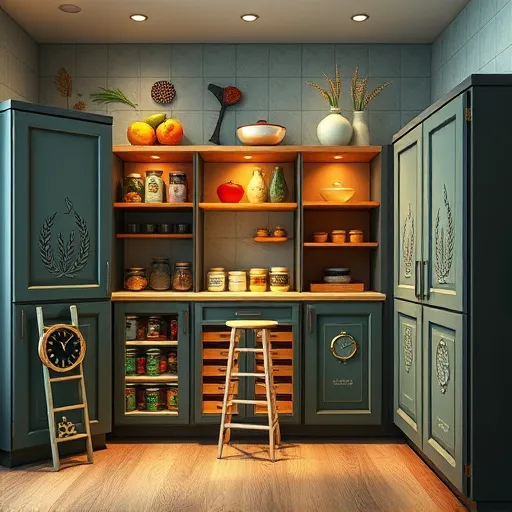
How to Design Cabinets for a Walk-In Pantry | Expert Tips and Ideas
Introduction: The Intersection of Science and Design in Pantry Cabinetry
Designing a walk-in pantry involves more than aesthetic appeal; it encompasses structural integrity, ergonomic efficiency, and spatial optimization rooted in scientific principles. By adopting a methodical approach to how to design cabinets for a walk-in pantry, homeowners and designers can create functional, durable, and visually appealing spaces. This article explores the scientific foundations and best practices guiding the creation of custom pantry cabinets, emphasizing evidence-based strategies and structural considerations.
What Are the Core Principles Underpinning Effective Pantry Cabinet Design?
Ergonomic Accessibility: Ensuring ease of reach and movement within the pantry to minimize strain and maximize efficiency.
Structural Integrity: Selecting appropriate materials and construction techniques to withstand daily use without compromise.
Spatial Efficiency: Optimally organizing storage to maximize capacity while maintaining accessibility.
Material Science: Understanding material properties to enhance durability and aesthetic longevity.
Lighting and Visibility: Incorporating lighting solutions to improve visibility and ease of selection, including innovative options such as [cabinet color-changing lights](https://noblecabinetsandclosets.com/post/cabinet-colorchanging-lights).
How to Determine the Optimal Layout for Walk-In Pantry Cabinets?
What scientific methods can inform optimal pantry layout design?
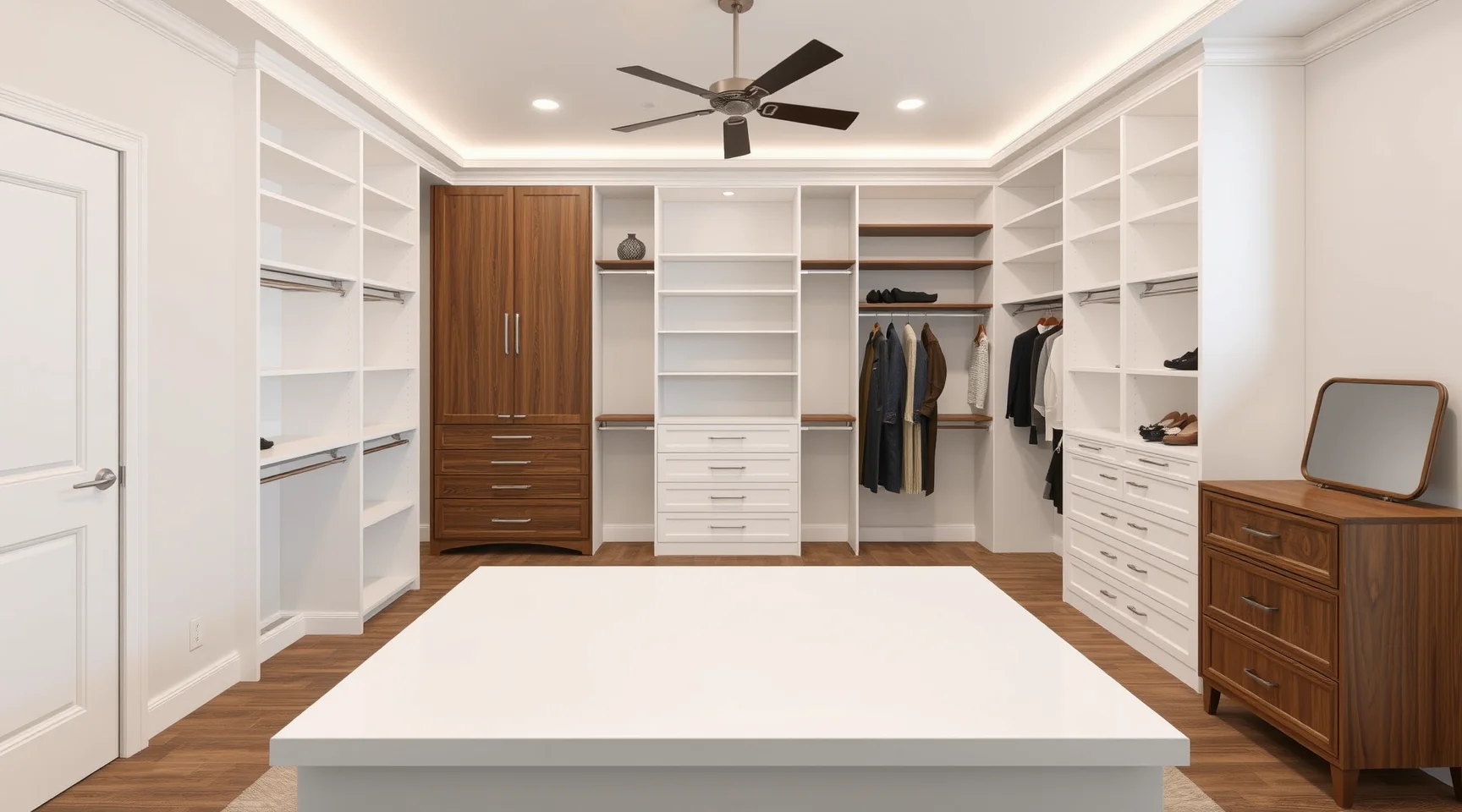
Spatial planning in pantry cabinet design benefits from ergonomic studies and human factors engineering. Analyzing typical reach zones—commonly referred to as "usability zones"—guides optimal shelf placement. Frequently, items are best accessible within the 15-inch reach zone, which encompasses the primary storage areas, while less frequently used items are stored higher or lower.
How does the layout influence structural considerations?
A logical layout reduces stress on cabinet frameworks and prevents sagging, ensuring longevity. This involves a careful analysis of load distribution, especially for heavier items like canned goods or small kitchen appliances. For instance, incorporating adjustable shelving can distribute weight more evenly and facilitate accessibility.
What Are the Best Practices for Selecting Cabinet Materials Based on Scientific Research?
Material Durability: The choice of plywood over particleboard or MDF is often recommended due to superior strength and resistance to warping, as discussed in [best plywood thickness for cabinet sides and backs](https://noblecabinetsandclosets.com/post/best-plywood-thickness-for-cabinet-sides-and-backs).
Environmental Resistance: Moisture-resistant materials like marine plywood or laminated surfaces prevent damage in high-humidity environments.
Weight Consideration: Lighter yet sturdy materials facilitate easier installation and reduce structural stress.
How Do Structural Considerations Influence Cabinet Design for a Walk-In Pantry?
What are the critical structural factors to optimize durability?
Structural robustness hinges largely on proper framing, reinforcement, and joint integrity. Scientific testing indicates that reinforcing joints with metal fasteners and corner blocks significantly increases load capacity and reduces failure risk.
Should I incorporate specialized features like [cabinet fridges](https://noblecabinetsandclosets.com/post/cabinet-fridge) into my pantry design?
Integrating appliance-specific compartments requires precise structural planning to support additional weight and vibration. This inclusion enhances convenience but necessitates reinforced shelving and vibration-dampening materials.
What Are the Key Factors in Achieving Functional and Aesthetically Pleasing Cabinet Doors and Storage Solutions?
Material Selection: Using high-quality, moisture-resistant finishes maintains appearance and functionality over time.
Hardware and Mechanisms: Soft-close hinges and push-to-open mechanisms improve user experience and reduce wear.
Innovative Lighting: Implementing lighting solutions like color-changing LEDs can add both functionality and aesthetic appeal, see [cabinet color-changing lights](https://noblecabinetsandclosets.com/post/cabinet-colorchanging-lights).
How to Incorporate Custom Features to Enhance Pantry Functionality?
Can custom-built features design better storage solutions for peculiar needs?
Absolutely. Custom cabinetry allows tailoring storage to specific items such as wine racks, spice drawers, or baking sheet organizers. Visiting trusted [custom cabinet builders](https://noblecabinetsandclosets.com/post/custom-cabinet-builders-amarillo-texas) ensures professional craftsmanship aligned with scientific insights for maximum efficiency and longevity.
What are the considerations for using high-end materials and finishes?
High-end materials like veneered woods or lacquered surfaces withstand wear better when chosen based on comprehensive understanding of environment and usage patterns. Maintaining consistency in finish and material quality reduces maintenance and prolongs cabinet lifespan.
How Does Proper Maintenance Integration Impact Cabinet Longevity?
Routine cleaning, environmental controls, and periodic reinforcement prevent structural degradation. Insights from materials science suggest that applying protective coatings or sealants reduces moisture ingress, minimizing warping and mold growth.
Frequently Asked Questions (FAQs)
What are the most common mistakes to avoid when learning how to design cabinets for a walk-in pantry?
Common pitfalls include poor weight distribution, inadequate lighting, and choosing unsuitable materials. Scientific research advises balancing aesthetic appeal with structural integrity, emphasizing proper support and material engineering.
How can smart technology integrate into pantry cabinet designs?
Smart lighting, motion sensors, and automated shelves can enhance usability. Incorporating these innovations requires careful planning of wiring and control systems, aligned with ergonomic and structural principles.
Is it better to hire a professional for pantry cabinet design?
Engaging experienced professionals ensures that scientific principles in load theory, material science, and ergonomic design are properly implemented, resulting in durable and efficient pantry solutions.
Conclusion: Building Your Ideal Walk-In Pantry with a Scientific Foundation
Designing cabinets for a walk-in pantry is a complex process rooted in scientific understanding of materials, ergonomics, and structural mechanics. By applying these principles, you can create a highly functional, durable, and visually appealing space that meets your storage needs efficiently. Whether selecting the right materials, planning optimal layouts, or integrating innovative features, a scientific approach ensures your pantry will serve you well for many years.