How to Attach Cabinets to Drywall Securely | Expert Installation Tips
How to Attach Cabinets to Drywall Securely: A Straightforward Guide You Can Trust
Installing cabinets might seem like a simple task, but when it comes to **how to attach cabinets to drywall securely**, it’s a process that demands precision, patience, and the right tools. A poorly installed cabinet can lead to sagging shelves, unstable storage, and, in the worst case, potential injuries. At Noble Cabinets, we understand that homeowners and DIY enthusiasts want straightforward, reliable methods to get the job done right the first time. So, let’s cut through the confusion and get your cabinets mounted confidently.
Why is it important to attach cabinets securely to drywall?
Securing cabinets properly is essential to ensure safety, longevity, and functionality. Cabinets are often loaded with dishes, tools, or supplies, which can add significant weight. If not attached securely, they risk falling, causing damage or injury. Proper attachment also provides stability, preventing creaky doors or misaligned shelves over time.
What are the common challenges faced when mounting cabinets to drywall?
Drywall isn’t designed to bear heavy loads on its own
Finding the right stud locations for maximum support
Ensuring the cabinet is level and aligned
Dealing with uneven or damaged drywall surfaces
These challenges can be easily overcome with the right knowledge and preparation, which we’ll cover below.
Which tools and materials do I need before starting?
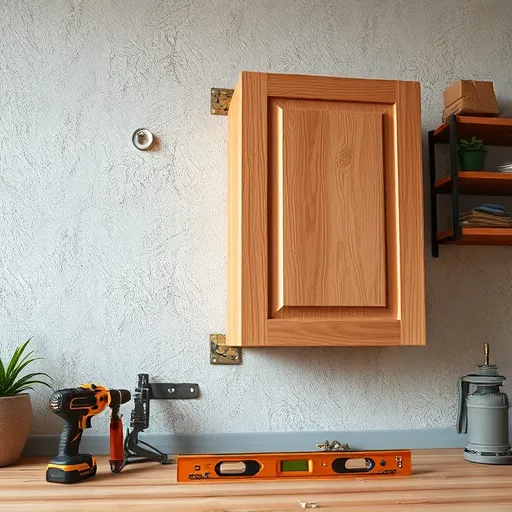
Before you begin, gather these essential tools and materials:
Stud finder
Power drill and bits
Screws suitable for drywall and stud attachment (usually 2.5” to 3”)
Cabinet screws or mounting brackets
Level and measuring tape
Shims
Pencil for marking
Hammer or mallet
Support braces (if needed)
Having everything ready will streamline the process and reduce frustration.
How do I find and mark the right mounting points?
Finding the right mounting points is crucial for secure attachment. Use a stud finder to locate the wall studs—these are your best anchors for supporting the cabinet weight. Usually, wall studs are spaced 16 or 24 inches apart.
Once you locate the studs, mark their centers lightly with a pencil. For each cabinet, you’ll need at least two or three points of support along its back edge, ideally aligning with wall studs to ensure maximum hold.
Be sure to measure carefully, marking the height at which the top of the cabinet will sit. Using a level, draw a horizontal line as a guide to keep your cabinets perfectly aligned.
How should I prepare my cabinets before mounting?
Preparation is key to a smooth installation. If you’re replacing existing cabinets, remove old hardware and clean the surfaces. For new cabinets:
Assemble them according to the manufacturer’s instructions
Check that all pieces are square and undamaged
Attach any interior fittings or hardware in advance for convenience
Mark the back of the cabinet with the overall width and height to assist in proper placement. Consider using cabinet shelves or other features to gauge proper spacing and alignment.
What is the best way to attach cabinets to drywall securely?
Here’s a step-by-step approach that combines best practices:
Locate the studs and mark their positions.
Measure and mark the desired height of your cabinet on the wall, using a level to draw a straight line as a reference.
Install mounting brackets or cleats directly into the studs. These can be mounted either on the studs or, if necessary, with toggle bolts in drywall if no studs are available (although studs are preferable).
Position the cabinet on the mounting brackets or cleats, ensuring it is level and plumb.
Screw the cabinet to the wall through the back panel into the studs or brackets. Use long enough screws to penetrate at least 1.5 inches into the wall frame for maximum stability.
Use shims to straighten and stabilize the cabinet as needed. Secure the shims and tighten screws.
Final adjustments — check for level, plumb, and alignment with adjacent cabinets. Make adjustments as necessary before fully tightening the screws.
By following this method, you ensure a solid, secure installation capable of withstanding daily use.
How can I handle drywall that’s damaged or uneven?
If your drywall is damaged or uneven, it’s best to repair first. Patch holes or cracks with spackle or joint compound. Sand smooth once dry. For uneven surfaces, consider installing a plywood or backer board to provide a solid mounting surface before attaching the cabinets.
Choosing high-quality materials and proper installation techniques significantly prolongs the life of your cabinets and ensures they look professional.
Are there specific mounting hardware options I should consider?
Yes, there are several options tailored for secure cabinet mounting:
Standard cabinet screws for anchoring into studs
Heavy-duty mounting brackets that distribute weight evenly
Toggle bolts or molly anchors for drywall-only support, though these are less ideal for heavy cabinets
Shelving brackets for additional stability and support
Always opt for hardware that matches the weight of your cabinets and the condition of your drywall.
What are common mistakes to avoid when attaching cabinets to drywall?
Relying solely on drywall anchors without stud engagement
Not checking for level and plumb during installation
Overtightening screws, causing drywall damage
Ignoring the weight capacity of mounting hardware
Trying to mount heavy cabinets without proper support
These mistakes can jeopardize the safety and longevity of your cabinets. Take your time, double-check your work, and don’t rush the process.
How can I finish the installation professionally?
Once your cabinets are mounted, consider the following tips for a polished look:
Install trim or molding to hide hardware and seam gaps
Adjust hinges and hardware for proper operation
Fill screw holes with wood filler, then sand smoothly
Touch up paint or finish as needed for a seamless appearance
At Noble Cabinets, we also offer a wide selection of stylish and durable cabinetry options like Shaker Cabinets for Sale, which look great with professional installation.
Where can I find expert cabinet installation services or inspiration?
If you prefer to leave installation to the professionals, look no further than our trusted partners and local experts. For inspiration and insights into premium cabinetry, visit our posts on hotel room cabinetry in Texas and discover options that combine style with functionality.
Can I mount cabinets myself or should I hire a professional?
While DIY installation is possible with proper tools and patience, complex or heavy cabinets, or those in challenging locations, are best handled by professionals. A skilled installer ensures safety, precision, and durability, saving you time and potential headaches. Visiting local experts or certified contractors can make your project seamless.
What should I do if I encounter drywall issues during installation?
If you find drywall damage or material is weak, reinforce the area with a plywood backing or consider replacing damaged drywall sections altogether. Proper reinforcement provides the needed support for heavy cabinets, making your project safer and more durable.
How do I maintain my cabinets after installation?
To keep your cabinets looking great and functioning well over time:
Clean surfaces regularly with mild soap and water
Avoid harsh chemicals that can damage finishes
Check hardware and screws periodically for tightness
Address any signs of wear or damage promptly
Proper maintenance ensures your investment remains a beautiful and functional feature of your home for years to come.
Wrapping up — Take action with confidence!
Knowing **how to attach cabinets to drywall securely** is more straightforward than it might seem once you understand the key steps and best practices. Whether you’re a DIY enthusiast or working with a professional, the fundamental principles remain the same: solid support, proper hardware, precise measurements, and attention to detail.
If you’re looking for premium cabinetry options to complement your newly mounted cabinets, explore our collection of Thermofoil Cabinets or visit our local showroom to see what we offer firsthand.
Frequently Asked Questions (FAQ)
What is the best hardware for mounting cabinets on drywall?
The most reliable hardware involves mounting brackets secured directly into wall studs using long screws. For drywall-only support, toggle bolts can be used, but they are less durable for heavy cabinets.
How high should I hang wall cabinets?
Commonly, wall cabinets are hung approximately 54-18 inches above the countertop, but this depends on your ceiling height and personal preference. Use a level and measuring tape for accuracy.
Can I install cabinets without a stud finder?
While it’s possible to estimate stud locations using visual cues, a stud finder significantly increases accuracy, ensuring your cabinets are securely mounted.
Should I pre-drill holes in my cabinets before mounting?
Yes, pre-drilling helps prevent splitting and ensures screw placement is precise and secure.
Are wall mounted cabinets suitable for heavy loads?
Yes, provided they are mounted properly into studs with appropriate hardware. Always consider the weight capacity of your mounting hardware and the drywall condition.
Arm yourself with these insights and resources, and your cabinet installation project will be a manageable, successful endeavor. For expert assistance and top-tier cabinetry, Noble Cabinets is here to help you every step of the way.